20 окт 20267 min
Materials and solutions
 Karina from LAUM
Materials and solutions
How to Choose Materials That Will Not Feel Outdated in a Year
The choice of materials is often the stage where decisions are made that people regret a year later.
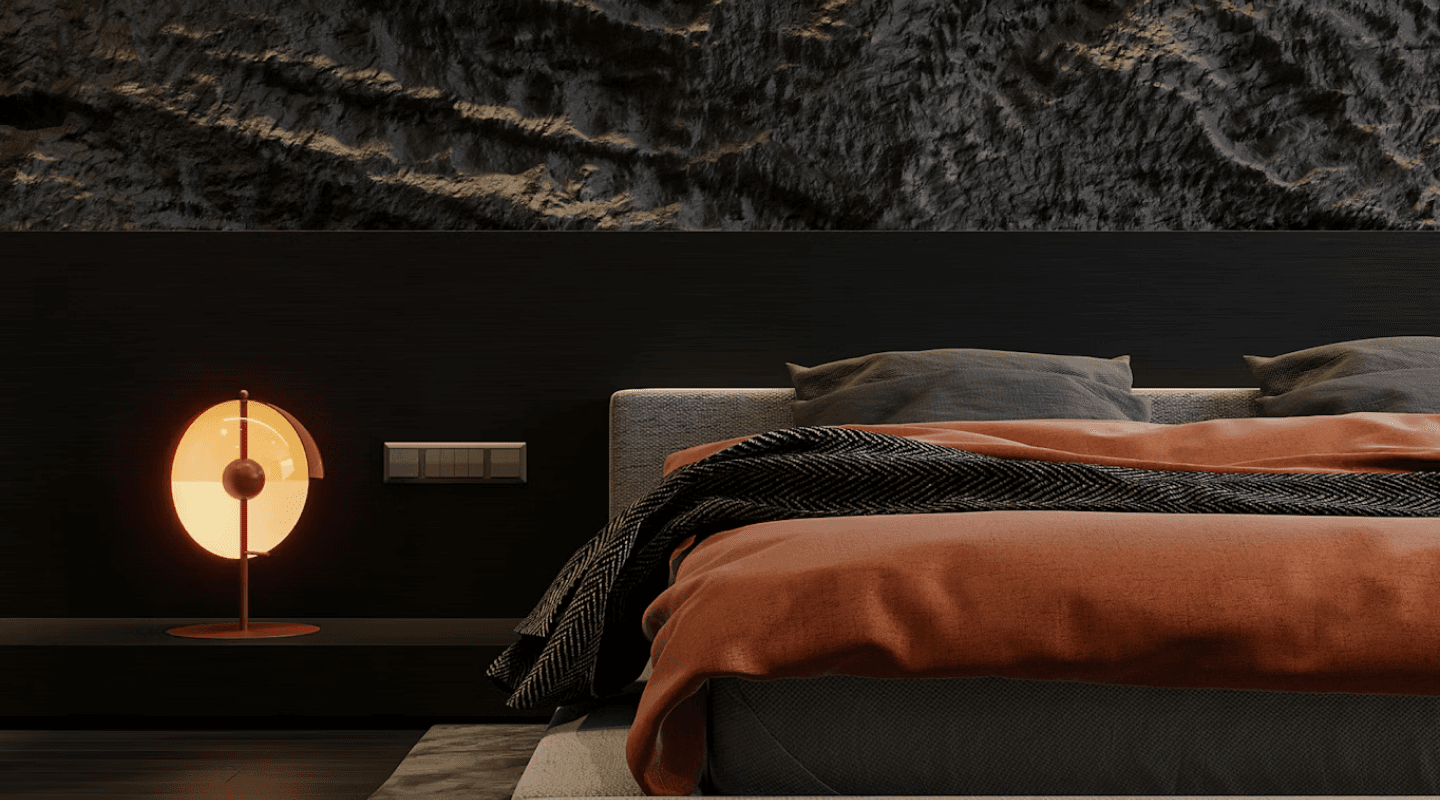
In contemporary interior design, it is easy to fall into the trap of trends: visually striking finishes, popular textures, and social-media-ready combinations create a strong first impression. But these materials often become outdated fastest.
If the goal is to create a modern interior that stays relevant, it is better to rely not on fashion, but on core principles: balance, naturalness, tactility, and a system-based approach.
Why materials lose relevance so quickly
Many interiors start to feel outdated just one or two years after renovation. Most often, the reason is not the quality of execution, but the approach to choosing materials.
Trends versus real life
When decisions are based on trends rather than spatial logic, the interior becomes tied to a specific moment. Visually striking textures, unusual combinations, and bright accents work well in the short term: they make an impression, but quickly become tiring.
Over time, these materials begin to draw too much attention, and the space stops feeling comfortable.
The effect of visual overload
When an interior contains too many active materials, it creates a sense of visual noise. Even if each element is beautiful on its own, together they start competing with one another.
This is often what creates the feeling of an outdated interior: not time itself, but an excess of decisions.
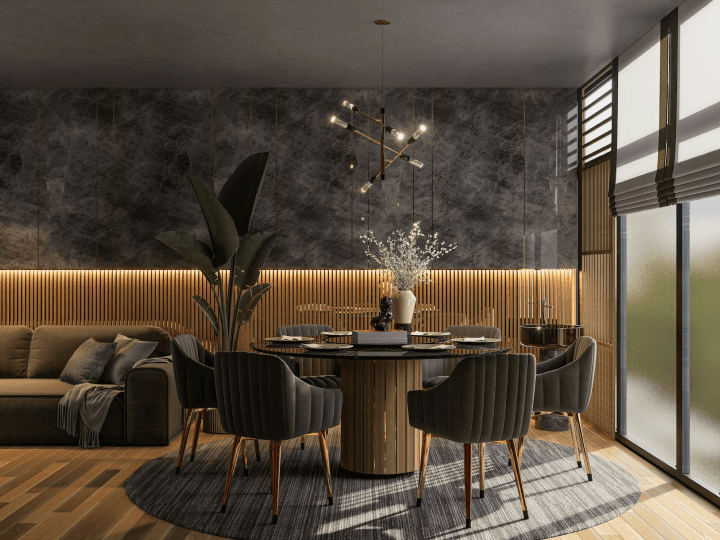
The interior base: what defines everything
Every interior begins with a base: the decisions that stay with you for a long time. This includes floors, walls, large surfaces, and built-in elements. These are the places where sharp, trend-led decisions are best avoided.
The base sets the tone for the entire space. If it is calm and considered, the interior adapts more easily over time. If complex or overly expressive materials are built into the foundation, the space quickly loses balance.
Why neutrality is not boring
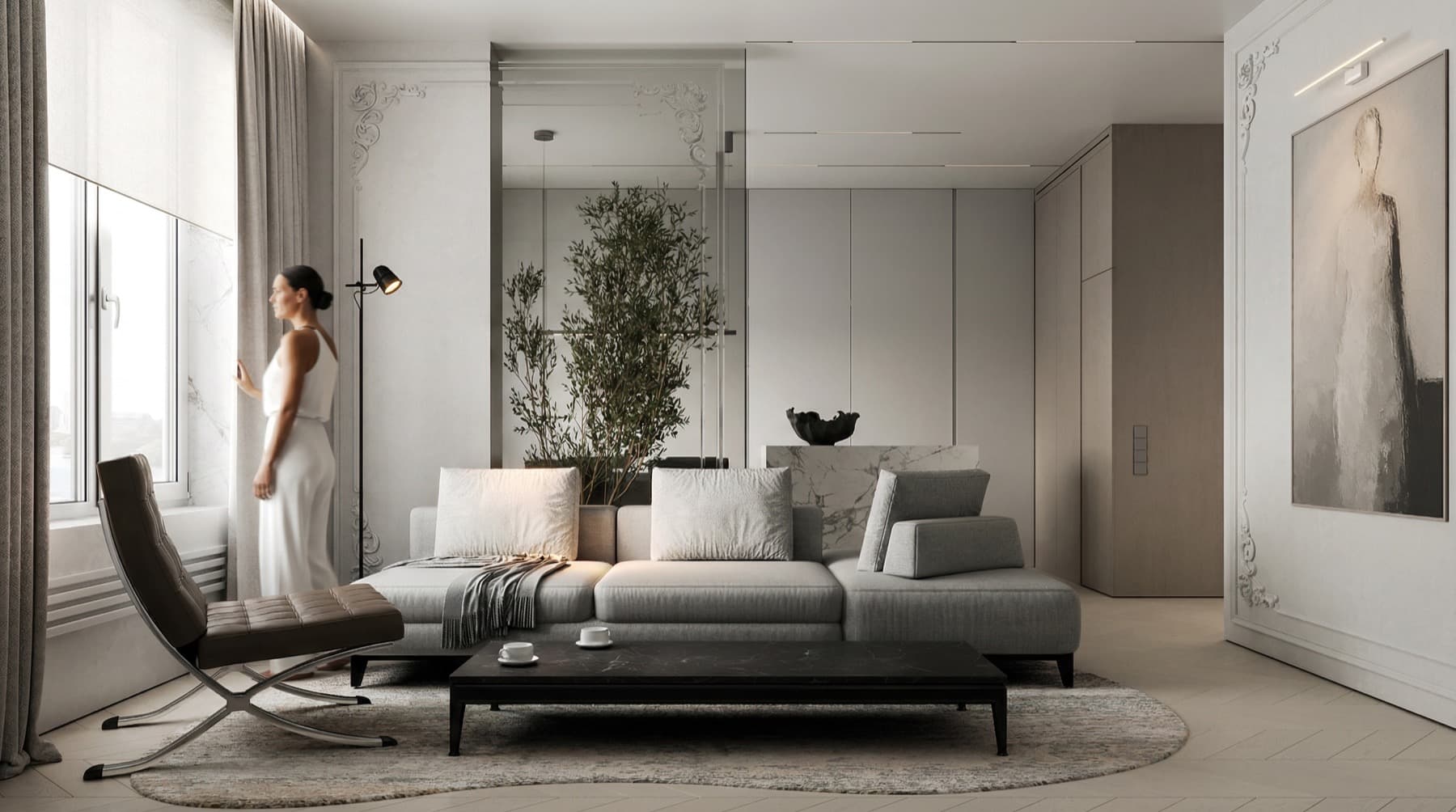
It is important to understand that the base does not have to be boring. It should be neutral and flexible. That means working with soft tones, natural textures, and materials that do not demand constant attention.
This kind of foundation allows the interior to breathe and does not become visually outdated because it is not tied to a specific fashion cycle.
Naturalness and tactility as the main guide
Materials outside time
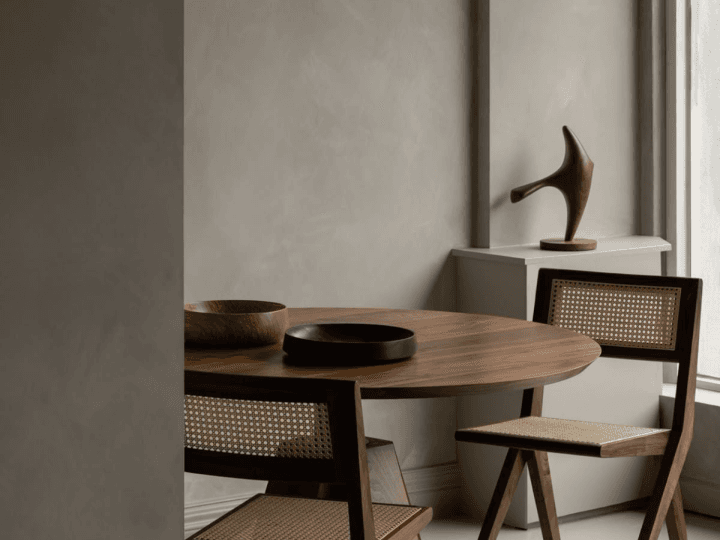
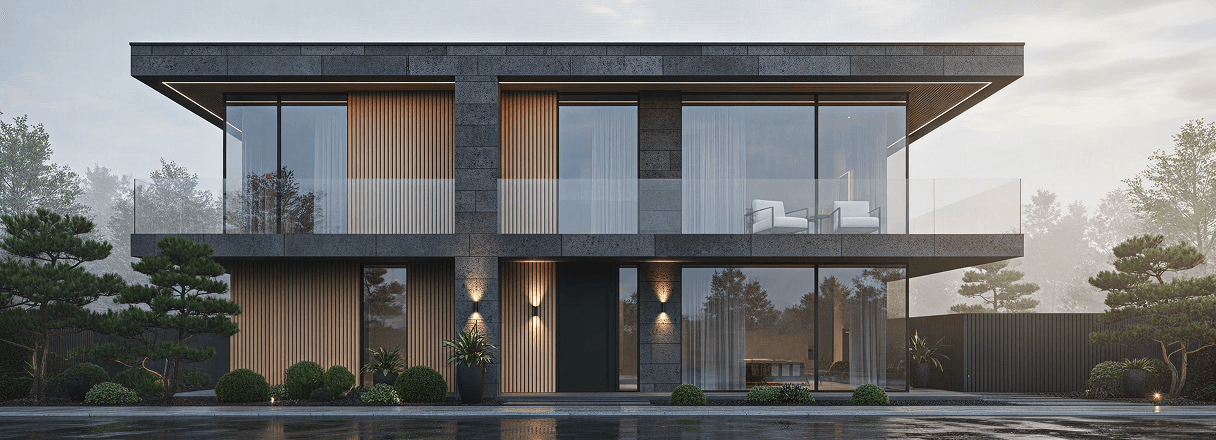
Materials that stay relevant for a long time almost always share one quality: they look natural. Wood, stone, ceramics, glass, and textiles are perceived as a familiar, understandable environment. They are not tied to trends and do not require constant updating.
The importance of tactile feeling
Tactility is no less important here than appearance. Surfaces that feel good to touch form a deeper perception of the space.
The interior becomes not only visual, but sensory, and these are the decisions that do not become tiring.
Color as a tool for durability
A calm palette
The color palette directly affects how long an interior feels relevant. The more complex and active the color, the faster it starts to feel tiring.
The most reliable option is neutral shades: warm white, beige, gray, and natural tones. They do not become tiresome, combine well with each other, and give a feeling of air.
Neutral tones work as a background: they do not overload perception and interact well with light.
Where accents can be added
Brightness is better moved into details. Textiles, decor, and lighting can all be changed without renovation.
This way the interior remains relevant without becoming boring.
 materials & detailsLight Interiors: How to Make a Neutral Space Feel Alive
Practicality: what becomes visible over time
Life after renovation
During selection, it is easy to focus on the visual side and forget about real use. But everyday life reveals the quality of materials: how they wear, how they react to moisture, and how easy they are to keep clean.
Why this affects perception
Even a beautiful material loses its value if it deteriorates quickly. Practicality is therefore not a limitation, but an important part of aesthetics.
An interior that can be updated
One of the smartest approaches is to design the interior from the start so it can be easily updated without renovation.
This is achieved by separating the base and the accents: the base remains neutral and stable - floors, walls, surfaces - while accent elements can change: textiles, lighting, decor, and individual furniture pieces.
This approach lets the interior adapt to new habits, moods, or even trends without radical changes. As a result, the space remains alive without losing its foundation.
Beyond form and function, materials and textures create the deepest essence of space
Charles Correa, architect
Why it is better to work with a designer
Choosing materials is not only about taste, but about a system. A designer helps you see the interior as a whole: how surfaces will work together, how they will behave in different lighting, and how they will change over time. It is work with balance, proportions, and logic.
This approach helps avoid overload, random decisions, and a quick loss of relevance.
Conclusion
An interior does not become outdated by itself. It becomes outdated because of the decisions built into it. If material choices rely on naturalness, a calm base, wholeness, and practicality, the space remains relevant much longer.
A good interior is not about an instant effect, but about comfort for years ahead. Materials become the foundation that determines whether the space gets better over time or needs changes within a year.
Subscribe to the newsletter
We write about design, architecture, materials, and decisions that work in real life.
What materials do you prefer in interior design?Karina from LAUM
Comments (6)
Анна С.
Очень откликнулась мысль про базу. Как раз сейчас делаем ремонт и постоянно тянет выбрать что-то «интересное», но понимаю, что через год это может надоесть. Спасибо за структурный подход.
Дмитрий К.
Отличная статья. Особенно про сочетание материалов — раньше никогда не думал об этом как о системе, а не просто наборе решений.
Елена М.
Очень полезно про практичность. Мы выбрали глянцевую кухню — красиво, но отпечатки видны постоянно. Теперь понимаю, о чем вы пишете.